Project Description
Malaria Cross Border: Improving Malaria Surveillance at Cross Border of Indonesia and Timor Leste: An Operational Research
Bridging the Border: Indonesia–Timor-Leste Collaboration for Malaria Elimination
The World Health Organization (WHO) has affirmed that addressing cross-border malaria transmission is essential to achieving elimination certification. Border areas frequently serve as the last remaining pockets of malaria transmission. Indonesia and Timor-Leste share a relatively open international border, enabling continued malaria transmission driven by ecological factors, high population mobility, and disparities in access to health services.
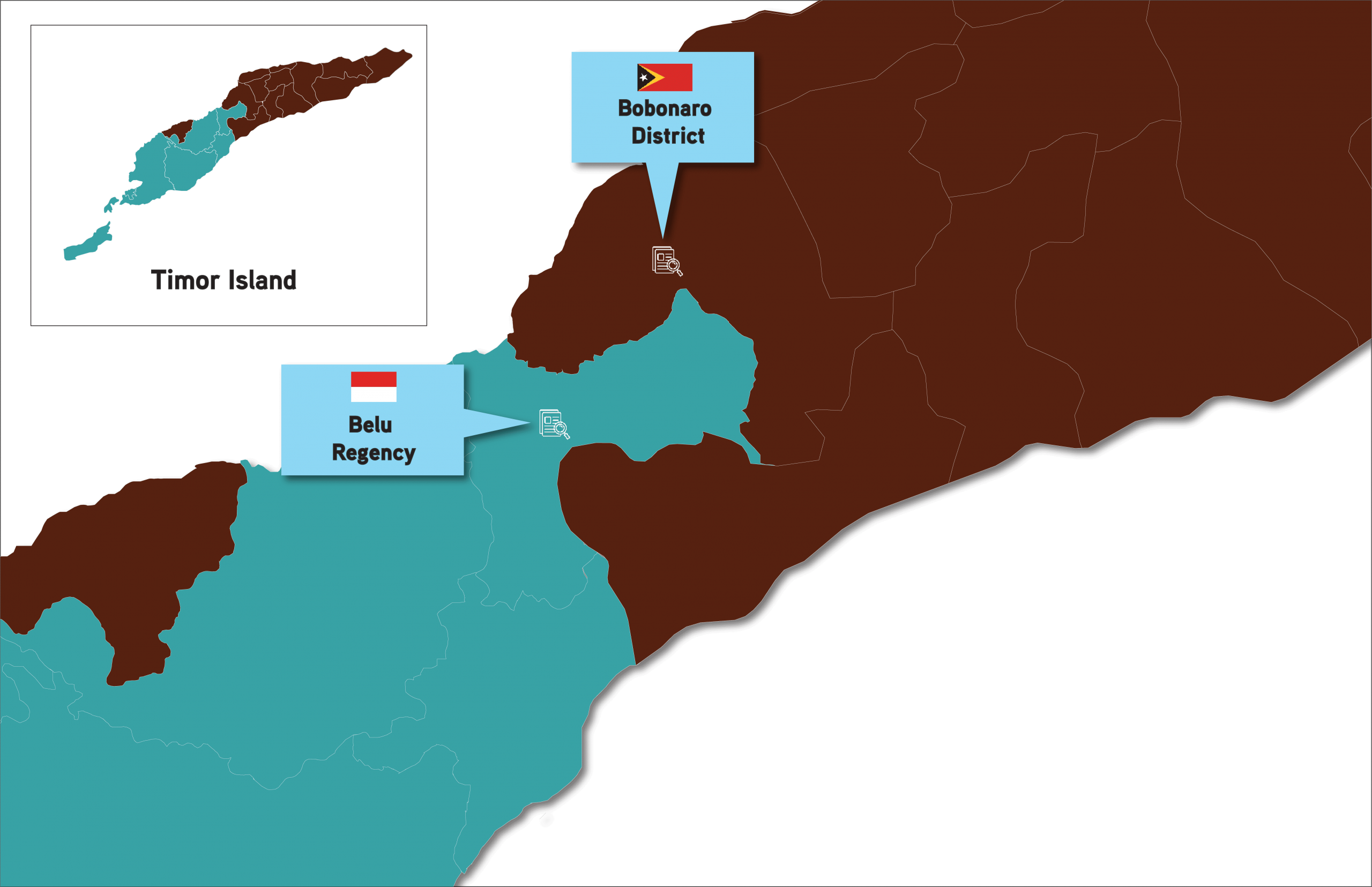
The border area of Belu in Indonesia and Bobonaro in Timor-Leste represents one of the most challenging zones in malaria elimination efforts. Although both countries have achieved significant reductions in malaria cases in recent years, residual transmission in these border areas remains difficult to address. High population mobility, variable access to health services, and environmental conditions favorable to mosquito breeding make this border zone a risk area that cannot be overlooked.
Information and Coordination Gaps Across Borders
A situational analysis conducted in 2023 found that border crossers received almost no health information relating to malaria. Border post officers lacked standardized educational materials to share with the public, and no data-sharing mechanism existed between Indonesia and Timor-Leste, resulting in delayed receipt and follow-up of imported case reports.
These gaps directly affected both countries’ ability to respond rapidly to cases. This became evident in June 2025, when Timor-Leste reported an imported malaria case and Indonesia was able to respond promptly thanks to the newly established data-sharing mechanism, ensuring that Timor-Leste’s malaria elimination assessment remained on track.
To address these challenges, Indonesia and Timor-Leste renewed their cross-border health cooperation in February 2022 and extended it through a Participatory Action Research approach, under the project “Improving Malaria Surveillance at Cross-Border of Indonesia and Timor-Leste: An Operational Research” (Malaria Cross-Border), with funding from the Asia Pacific Leaders Malaria Alliance (APLMA).
The Center for Tropical Medicine (CTM) at Universitas Gadjah Mada (UGM) served as the implementing partner, supporting both countries in designing and implementing research processes and interventions suited to the border context.
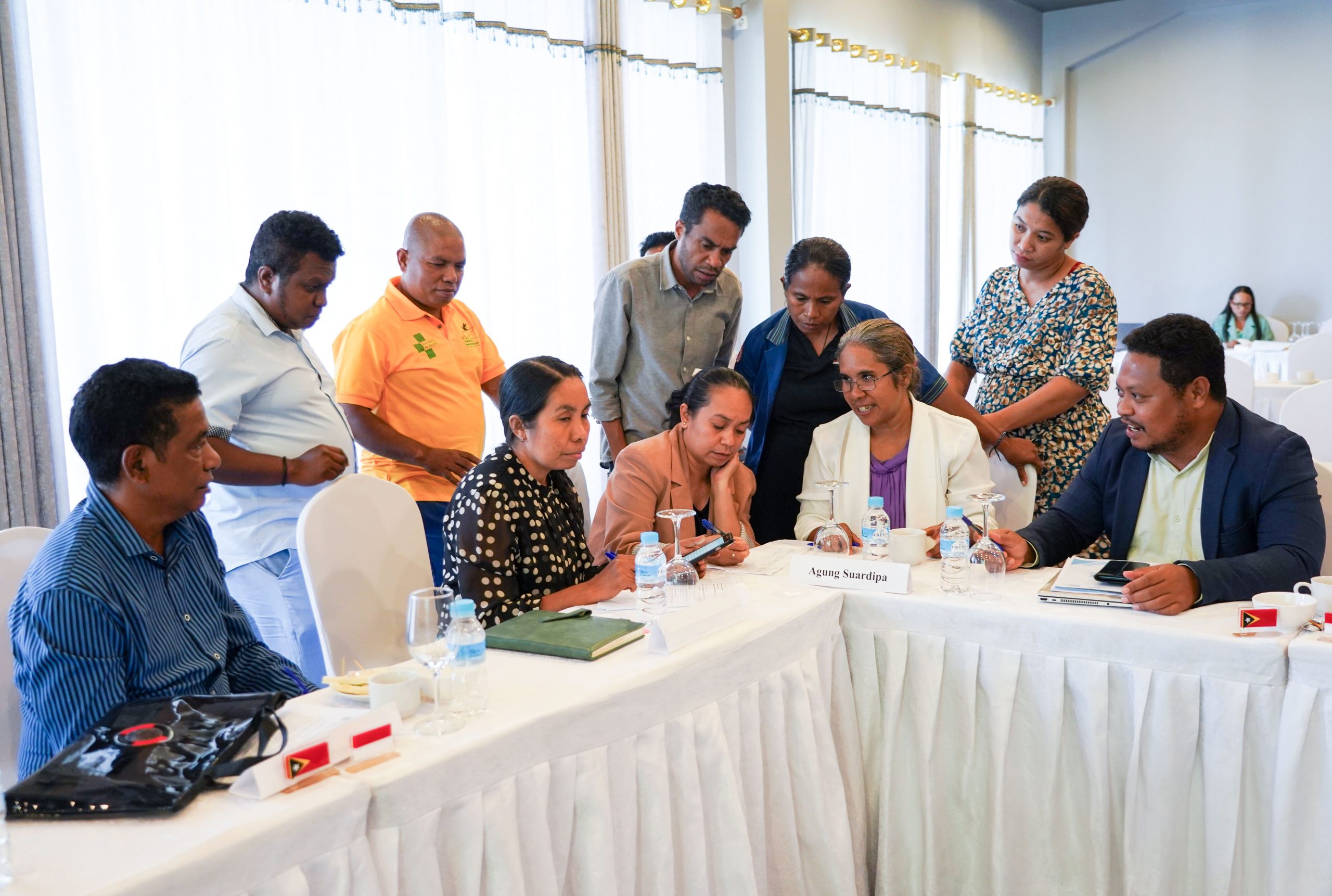
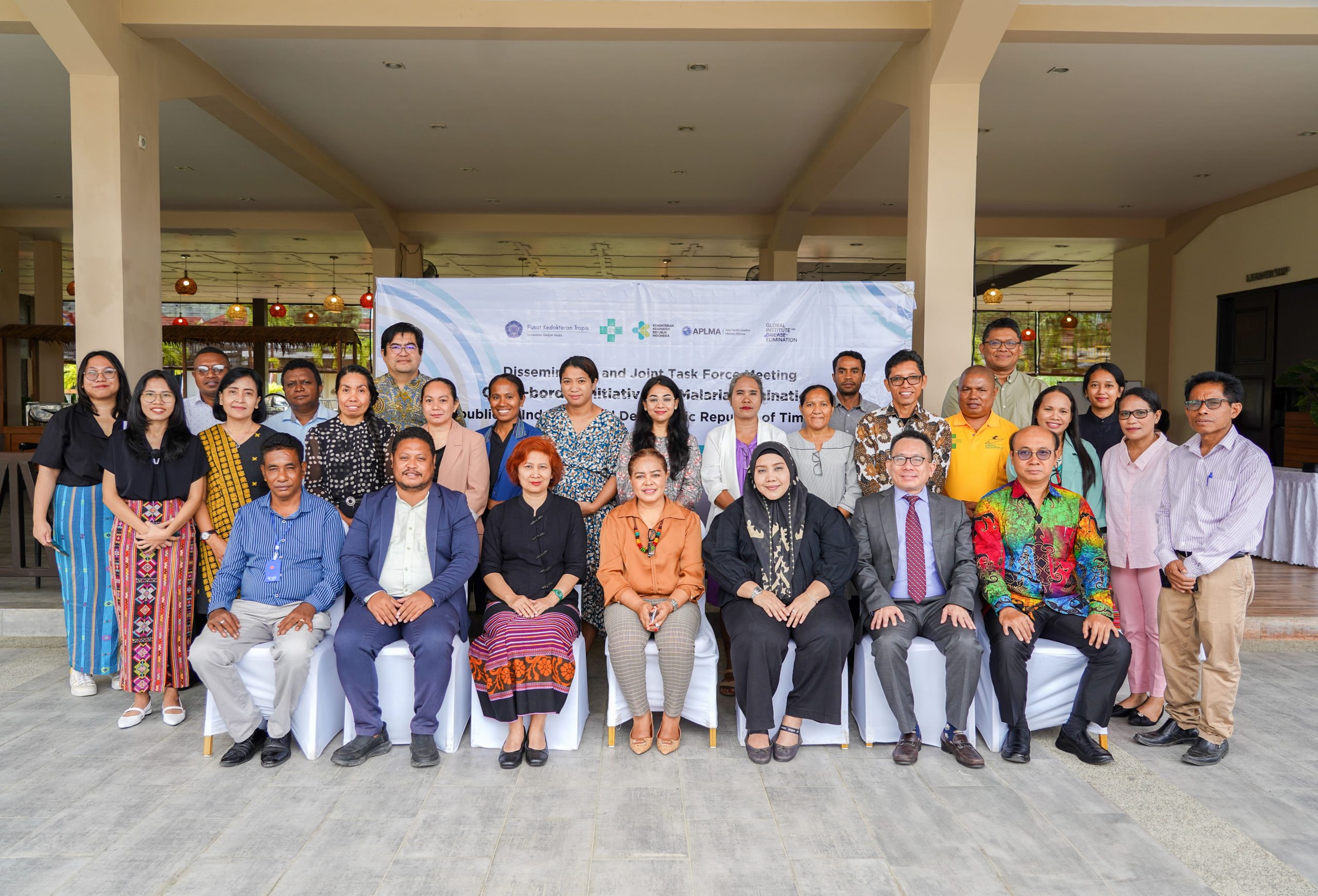
Throughout 2023–2024, both countries conducted in-depth assessments through interviews, focus group discussions, and multi-stakeholder consultations involving ministries of health, local health offices, immigration officers, military personnel, community health workers, and community leaders on both sides of the border.
The involvement of these diverse stakeholders aimed to ensure that the interventions designed were genuinely aligned with field needs and could be effectively implemented within the cross-border malaria surveillance system.
Cross-Border Collaboration in Practice
Three Interventions to Strengthen Malaria Surveillance
Communication, Information, and Education Materials
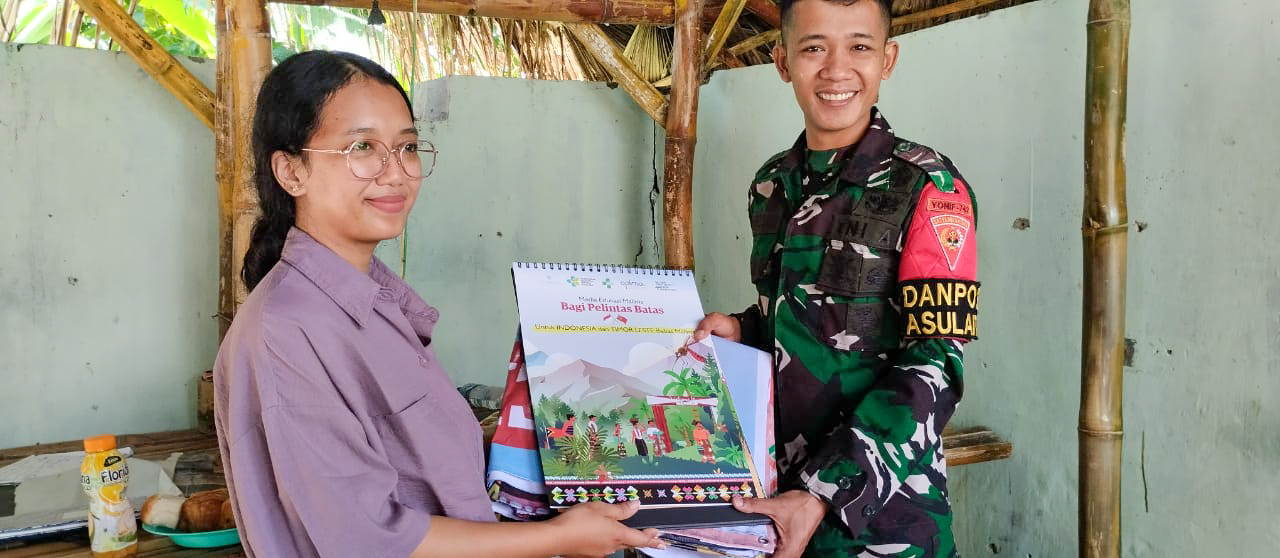
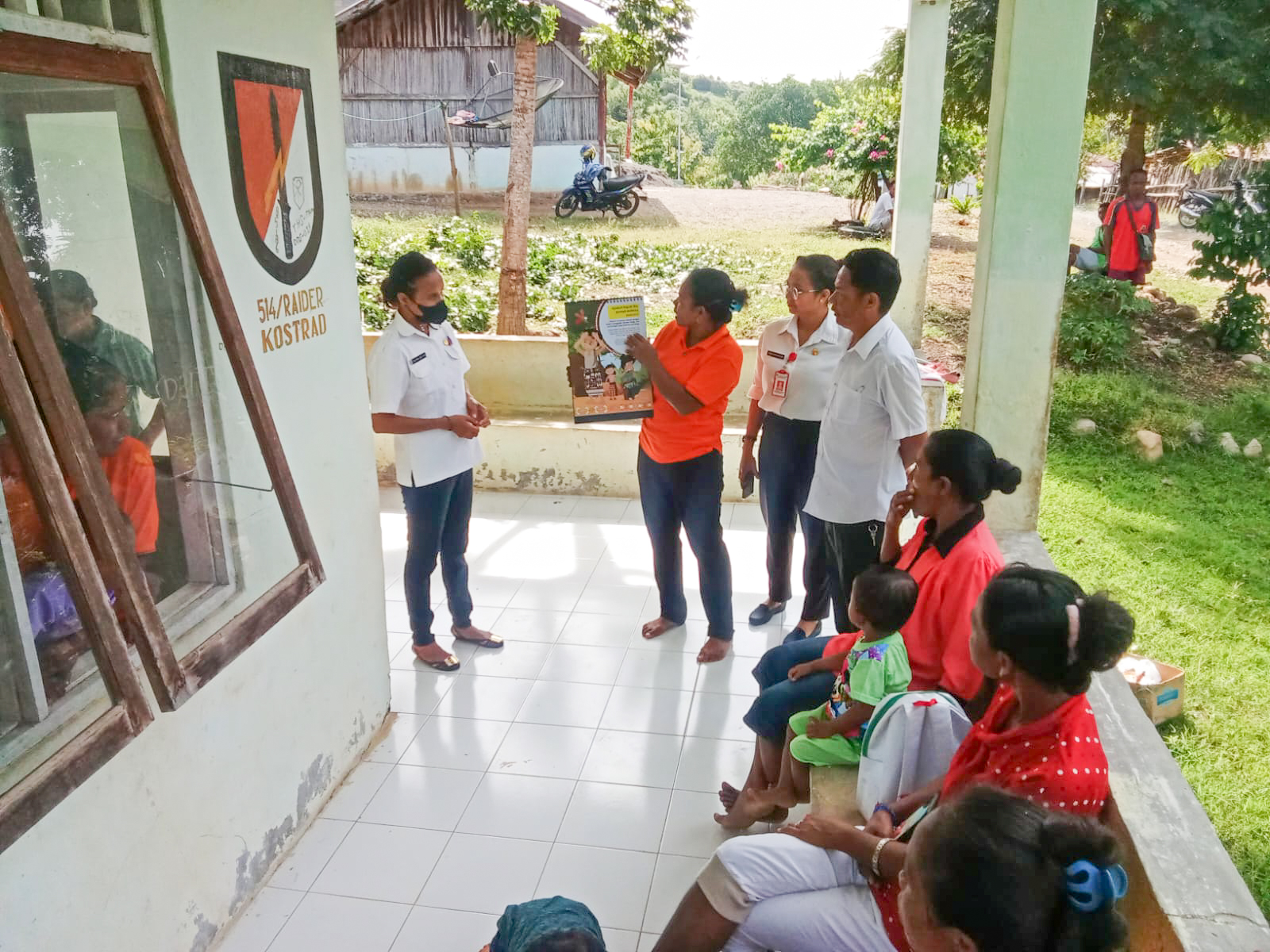
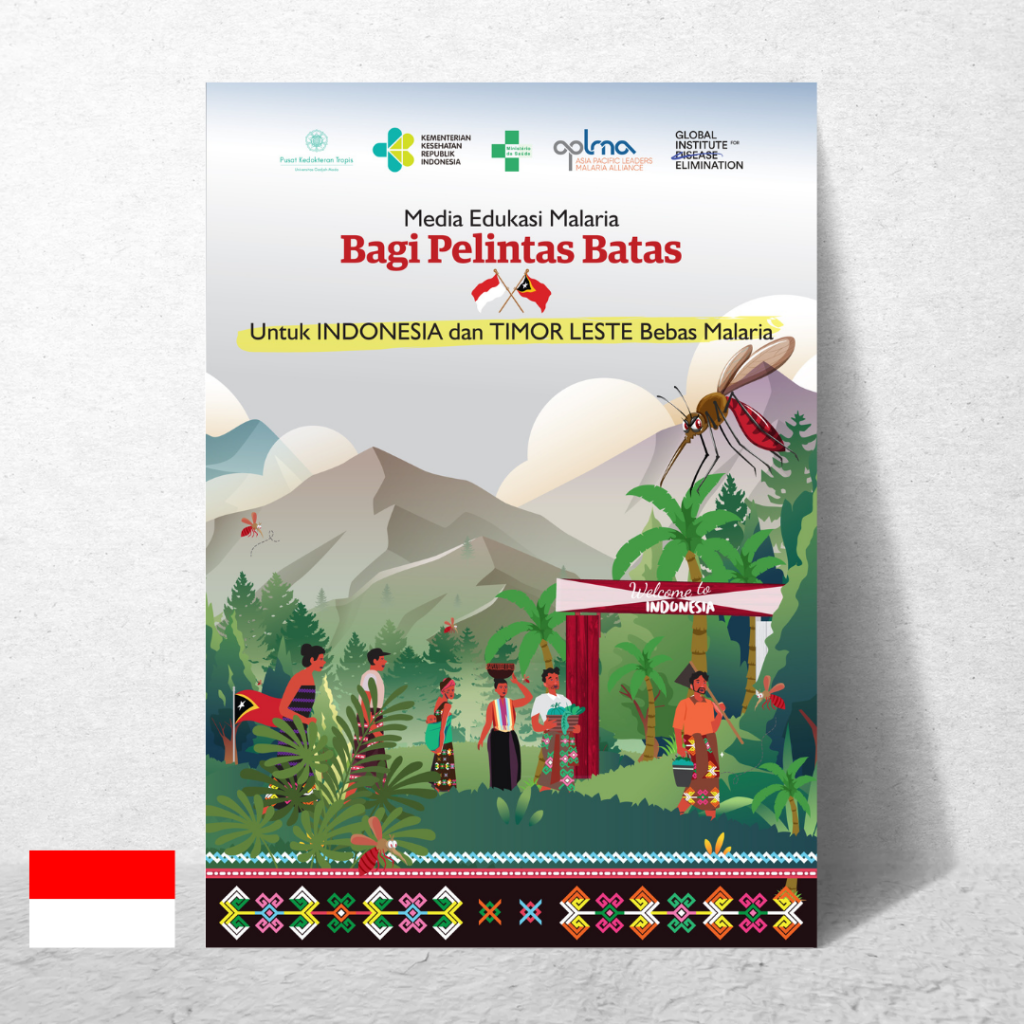
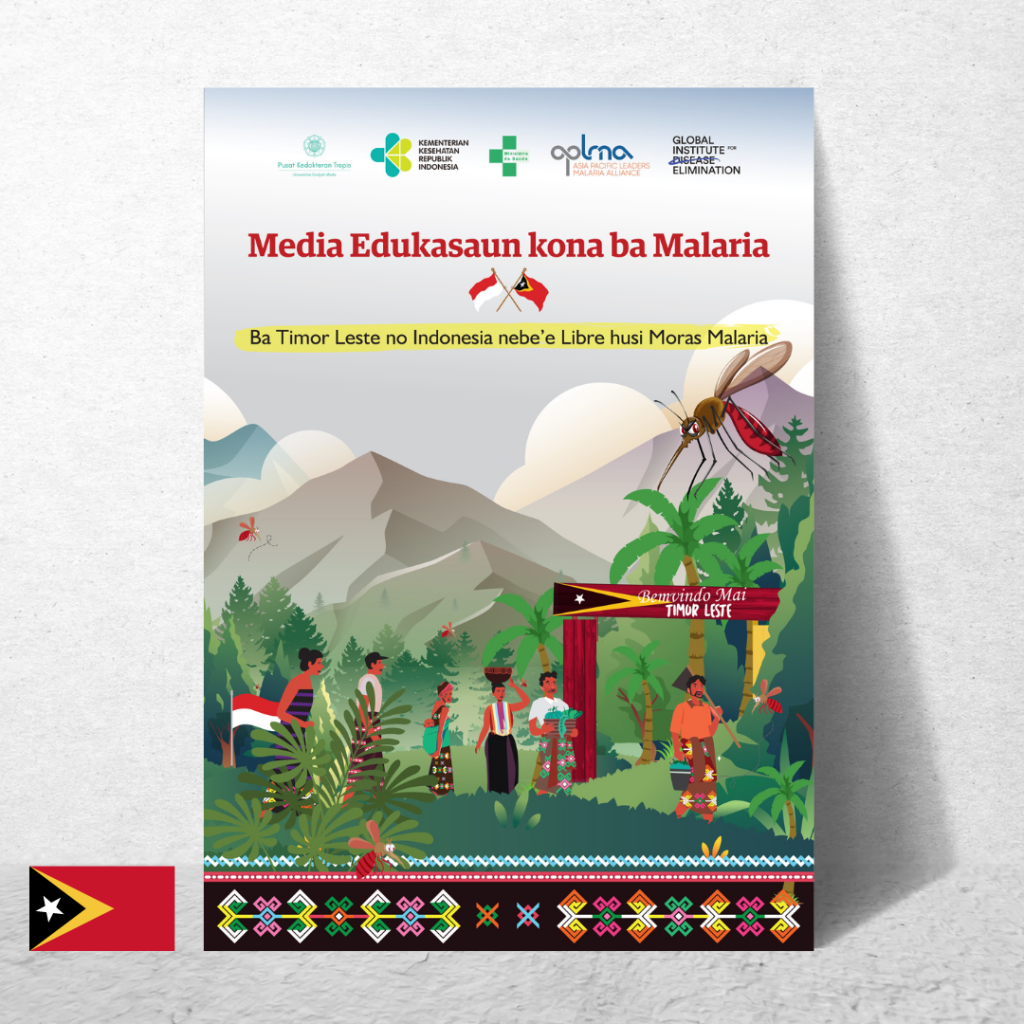
From these assessments, three main interventions were jointly developed to strengthen malaria surveillance. The first was the provision of communication, information, and education (CIE) materials in Indonesian and Tetun (the primary local language of Timor-Leste) to address the information gap experienced by border crossers and local communities.
These materials were distributed from March 2024 across 14 strategic locations, helping community health workers and officers convey health messages more consistently and clearly.
Malaria Cross-Border Dashboard and Notification Mechanism
The second intervention was the development of the Malaria Cross-Border Dashboard, facilitating malaria case monitoring by both countries according to their respective data needs.
The dashboard was accompanied by a user guide and tested through a joint training in March–June 2024. To support rapid response, a WhatsApp-based cross-notification mechanism was introduced, with a standardized reporting workflow from initial notification to case closure within 24 to 48 hours, ensuring every report could be systematically verified and followed up in a timely manner.
Joint Malaria Cross-Border Task Force
The third intervention was the establishment of the Joint Malaria Cross-Border Task Force as a formal coordination body between the two countries.
A terms of reference document was prepared to guide the task force in communication, activity monitoring, and cross-border policy harmonization. The inaugural task force meeting was held on 16 January 2025 in Dili, marking a significant milestone in ensuring that cross-border coordination would be structured and sustained rather than ad hoc.
Early Field Impact
Since the implementation of the three interventions, early positive impacts have been observed. Community health workers report increased public interest in malaria screening following exposure to more accessible and relevant CIE materials.
The data-sharing mechanism has enabled significantly faster investigation of imported cases, strengthening elimination efforts in both countries. The task force has ensured continued, structured inter-agency communication and coordination within a clear framework.
A key achievement in 2025 was the inaugural meeting of the Joint Malaria Task Force, marking the consolidation of the institutional relationship between Indonesia and Timor-Leste in malaria elimination.
This collaboration demonstrates that success in malaria control depends not only on technology and health systems, but also on strong bilateral relationships grounded in trust, effective communication, and long-term commitment.
Funding
Asia Pacific Loan Market Association
Collaborators
Duration
2023-2025
Principal Investigator
Elsa Herdiana Murhandarwati
Dissemination Materials
The Project Team