Project Description
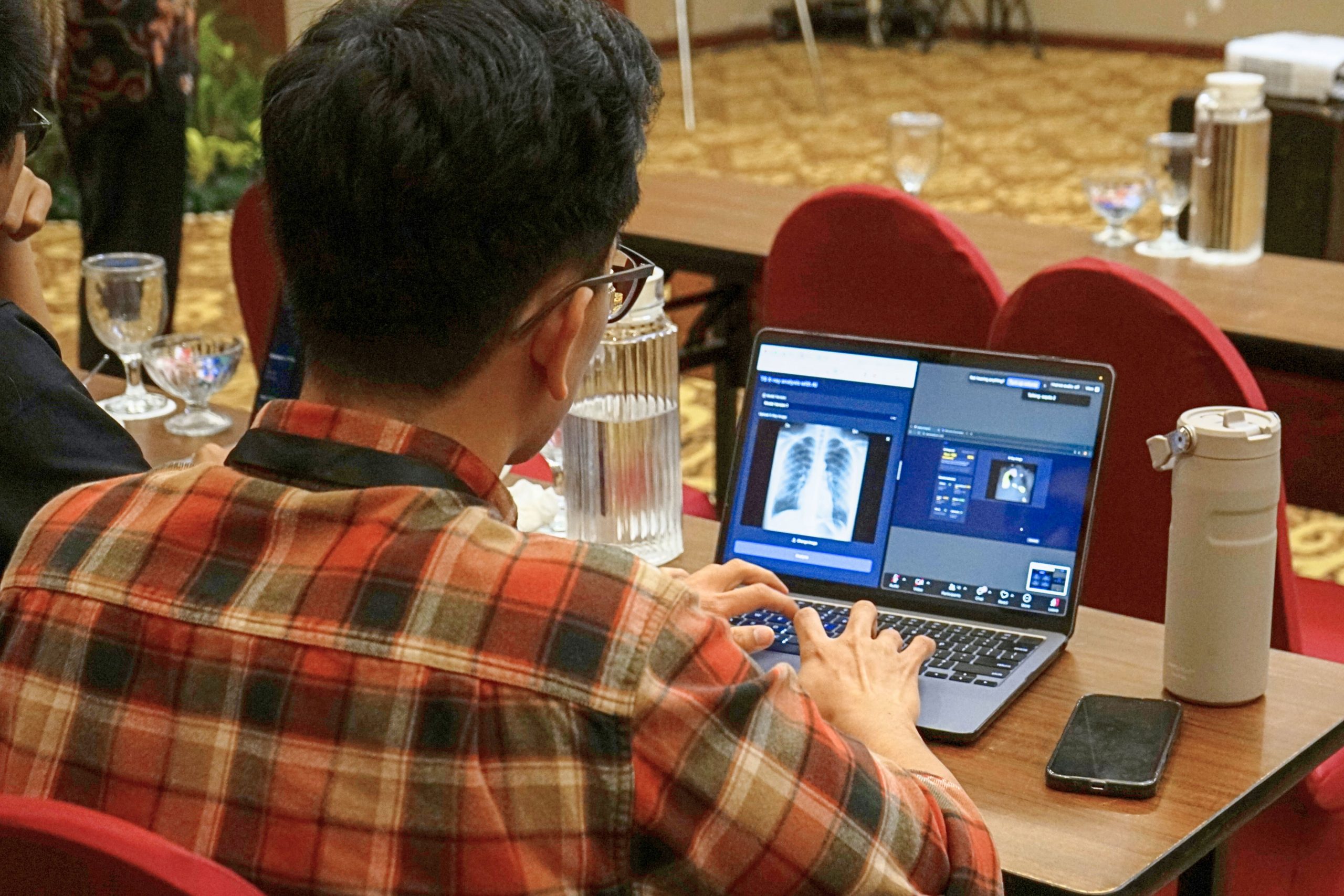
X-ray Al TB: Development of Artificial lntelligence for X-ray-Based Tuberculosis Screening in Remote Areas of lndonesia
Research Towards Indonesia’s First Domestically Developed CAD System
Tuberculosis (TB) remains a major challenge in Indonesia. According to the Global TB Report 2024, Indonesia ranks second globally in TB burden after India, with an estimated 1,090,000 TB cases and 125,000 deaths annually — equivalent to approximately 14 deaths per hour. Indonesia has set a target of TB elimination by 2030, driving national efforts through the TOSS TB (Find, Treat to Cure) initiative.
Early case finding is a critical component of achieving this target. The World Health Organization (WHO) encourages high-burden countries to adopt the latest technology, including AI-based Computer-Aided Detection (CAD) systems to support rapid and equitable chest X-ray reading. However, Indonesia does not yet have a domestically developed CAD system truly tailored to the characteristics of its population and health service conditions.
TBScreen.AI was developed in response to this need — an Indonesia–Australia collaborative research project aimed at developing a domestically produced CAD system. The research is led by dr. Antonia Morita Iswari Saktiawati, PhD as Principal Investigator, under the KONEKSI collaboration framework funded by the Australian Department of Foreign Affairs and Trade (DFAT) through Cowater International Inc. The project involves a number of academic institutions, health service organizations, disability organizations, and international research partners.
Placing Inclusion as the Foundation of Research
From the outset, TBScreen.AI was designed not simply as a technology project but as research grounded in the principles of Gender Equality, Disability, and Social Inclusion (GEDSI).
To ensure that the technology being developed is genuinely accessible and beneficial to all groups, the team engaged community-based organizations including the Center for Women, Disability and Child Advocacy (SAPDA) and the YAKKUM Rehabilitation Center.
Their involvement went beyond consultation to active collaboration in identifying barriers faced by women, older people, and persons with disabilities in accessing TB screening and services. This approach reinforces the conviction that health innovation must be built on a genuine understanding of the needs of vulnerable groups.
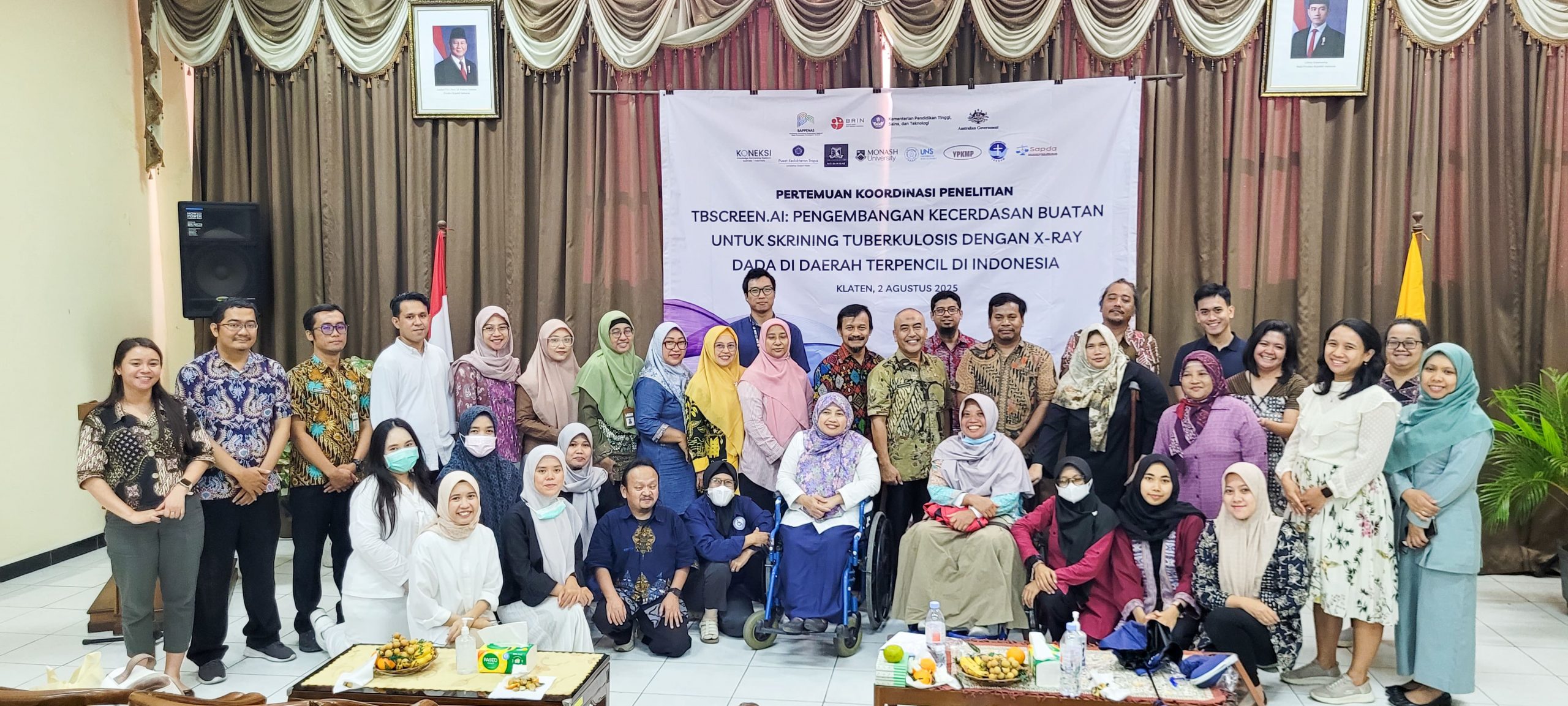
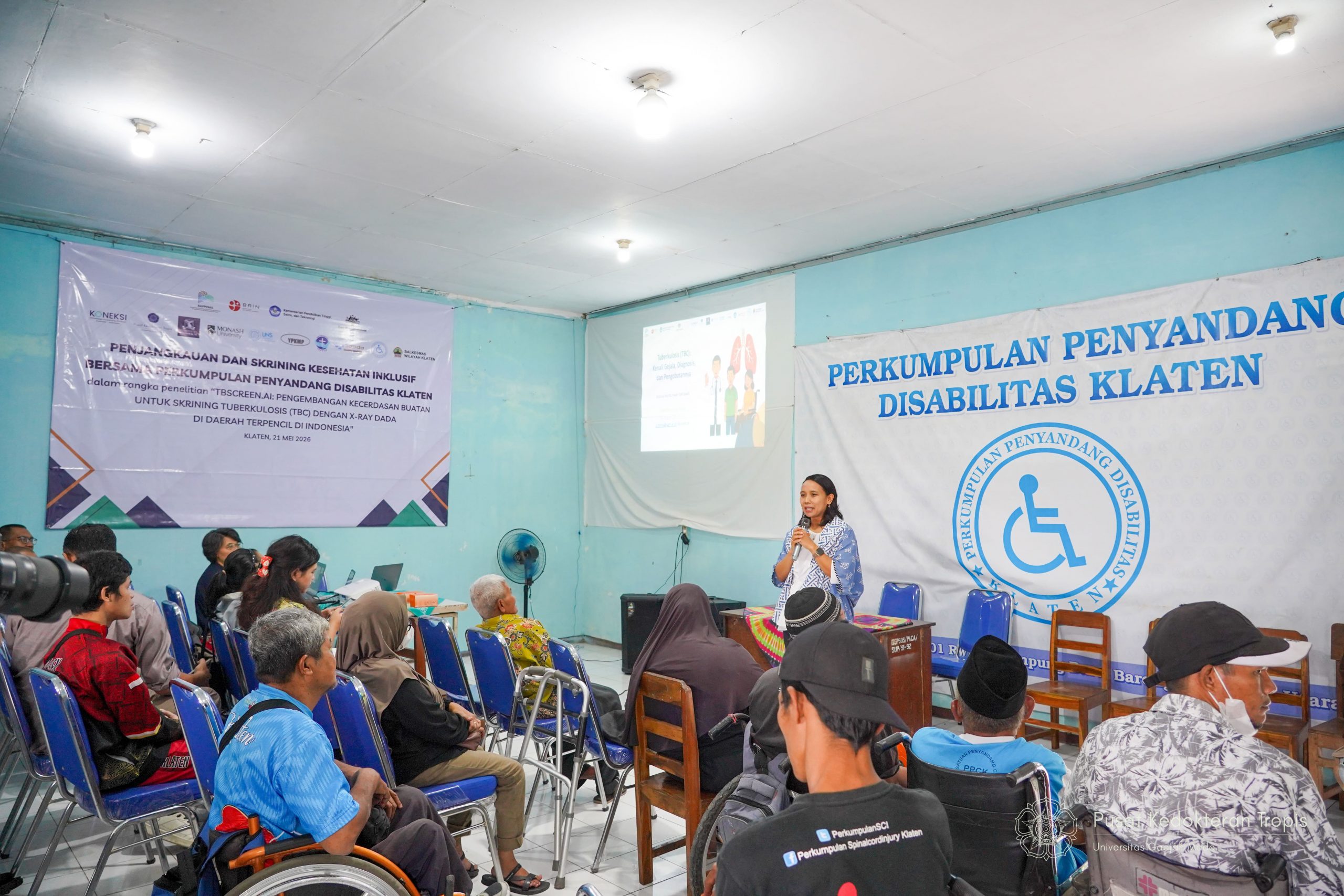
This commitment to GEDSI was further demonstrated through stakeholder meetings in various regions, including Klaten and Mimika. Disability organizations including PPDK, PPDM, Satu Hati, and SIGAB were invited to share their perspectives directly.
These discussions generated valuable insights — from the limited accessibility of X-ray services to health information gaps within disability communities. This input became an integral part of designing a CAD implementation strategy more responsive to diverse user needs.
Through this inclusive approach, TBScreen.AI is not only building technology but also strengthening the foundation of equitable health services.
From Yogyakarta to Mimika: Collecting Data for a Robust AI System
During 2025, the team successfully collected data at scale through four health facilities in Yogyakarta, Klaten, and Mimika. More than 400 X-ray images from RSUP dr. Sardjito and RSUD Mimika were annotated by expert teams for AI model development.
By November 2025, the project had recruited more than 824 patients for surveys out of a total target of approximately 1,717 participants.
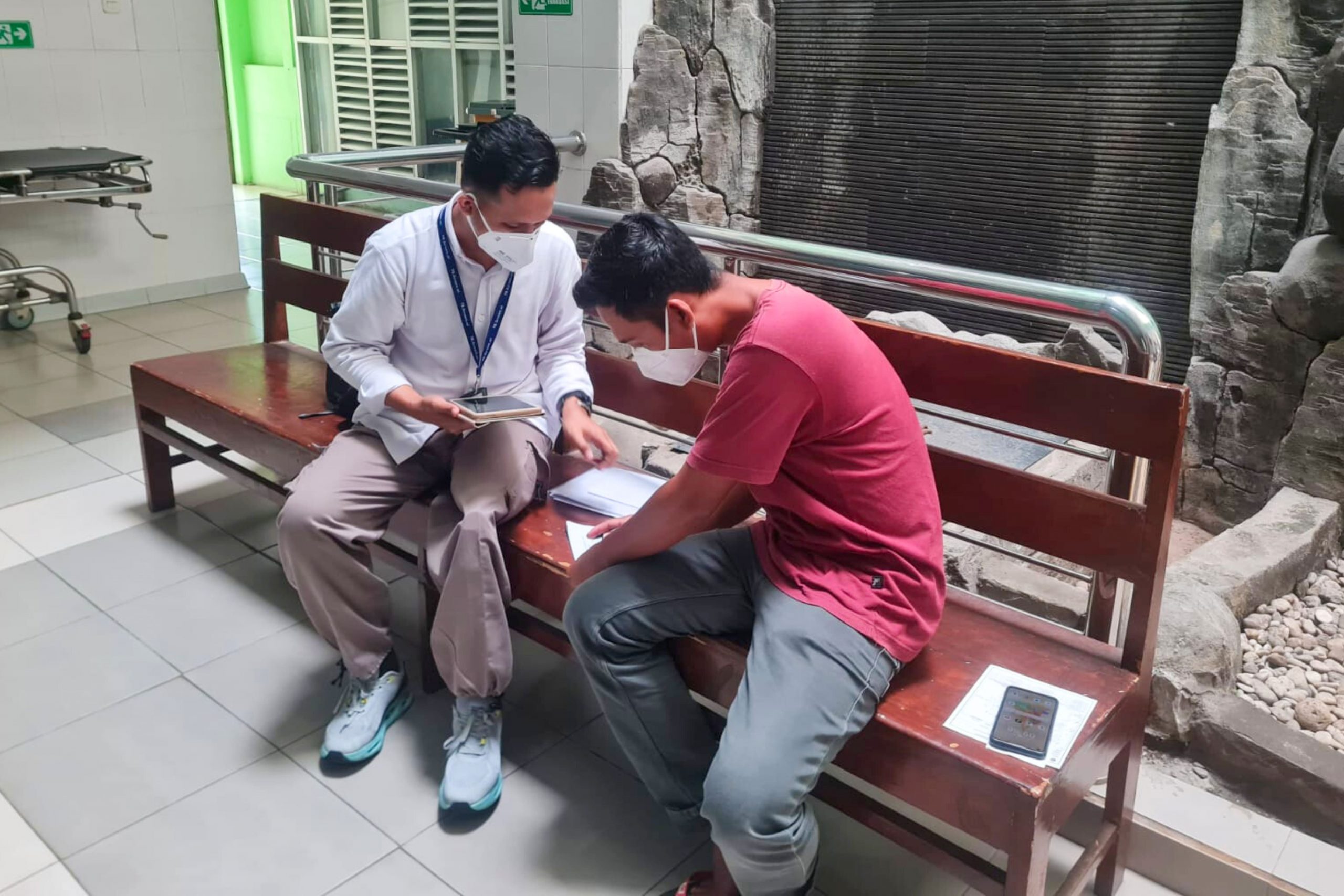
In the field, data collection encompassed not only X-rays but also interviews and focus group discussions (FGDs) with health workers at each location. This data was needed to understand the implementation context of AI: the working conditions of health workers, patient access, technical challenges, and facility readiness to adopt new technology.
The strength of this project lies in its parallel application of quantitative and qualitative approaches, ensuring the AI being built is not only accurate but also relevant to field conditions.
Collaboration, Advocacy, and Capacity Strengthening
In addition to research activities, various capacity-strengthening and advocacy activities were conducted. The workshop “Understanding and Internalising GEDSI and AI in Research” on 29–30 July 2025 provided researchers and partners with an opportunity to deepen their understanding of GEDSI principles and their application in health technology research.
Stakeholder meetings were held across various regions, from an online meeting in April 2025 to in-person meetings in Klaten and Mimika in August 2025. These meetings played an important role in aligning understanding, building local support, and strengthening cross-sector collaboration.
TBScreen.AI demonstrates that developing AI in health services is not only about introducing new technology but also about ensuring more equitable access for all. By grounding research in field experience and involving health workers and historically marginalized communities, the project places inclusion at the core of its innovation.
The foundation built throughout 2025 — from large-scale data collection to close international collaboration — provides genuine hope that Indonesia can have a CAD technology that is safe, accurate, and relevant to its domestic needs.
Through the combination of research, advocacy, and network strengthening, TBScreen.AI contributes to the national effort towards a more equitable and just TB elimination.
Funding & Collaborators

Duration
2025-2026
Principal Investigator
Antonia Morita Iswari Saktiawati
The Project Team