Project Description
Pilot Project for the Implementation of Wolbachia-Infected Aedes aegypti Technology in Five Cities
When Collaboration Becomes the Key
Dengue hemorrhagic fever (DHF) remains a tangible public health challenge in Indonesia. Control efforts cannot rely solely on routine approaches. In this context, Wolbachia technology has emerged as a promising innovation and a complement to existing programs.
However, as with many new public health interventions, its implementation has been accompanied by questions and scepticism, which in some communities has developed into concern. Prior experience has demonstrated that the effectiveness of an innovation is determined not only by the strength of the scientific evidence behind it. The innovation must also be understood, accepted, and implemented collectively.
For this reason, the implementation of Wolbachia in five Indonesian cities since 2023 was designed not merely as the rollout of an innovation but as a collaborative cross-sector process. The Indonesian Ministry of Health, CTM UGM, local health offices, regional governments, and communities operate within a framework of mutual complementarity.
In this context, collaboration has been the key to addressing the concerns that initially arose.
Wolbachia Implementation in Five Cities
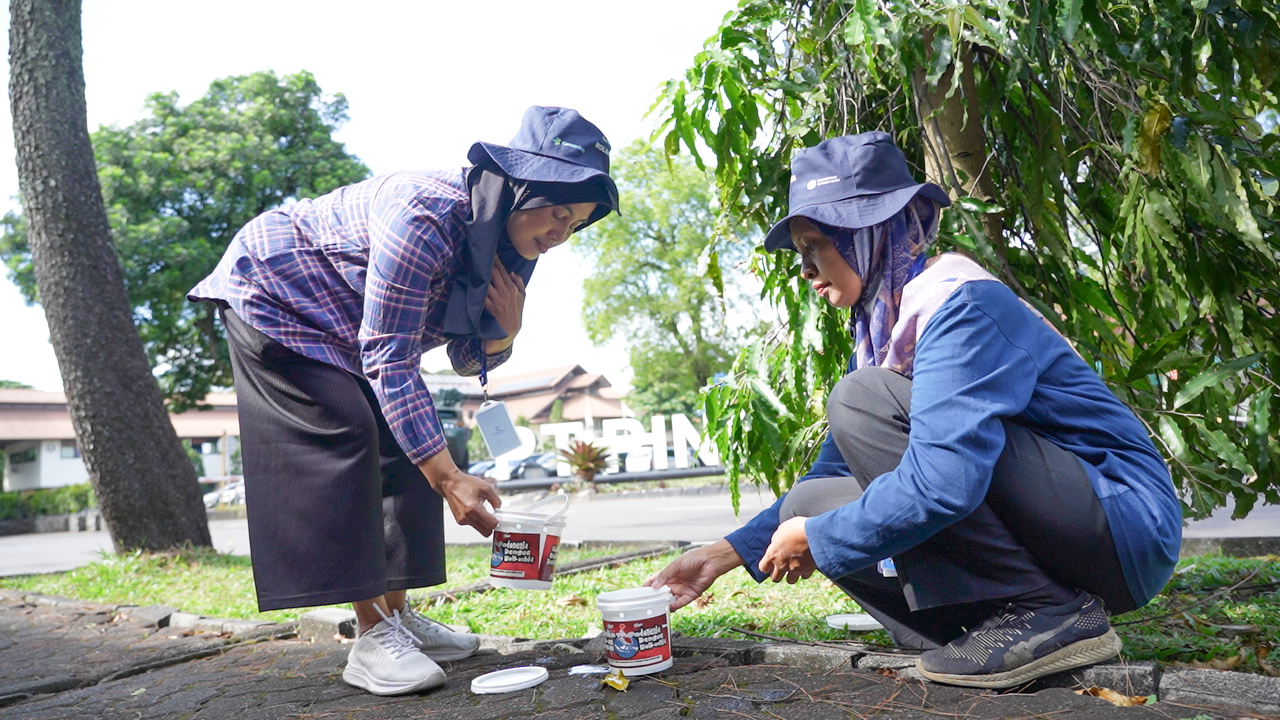
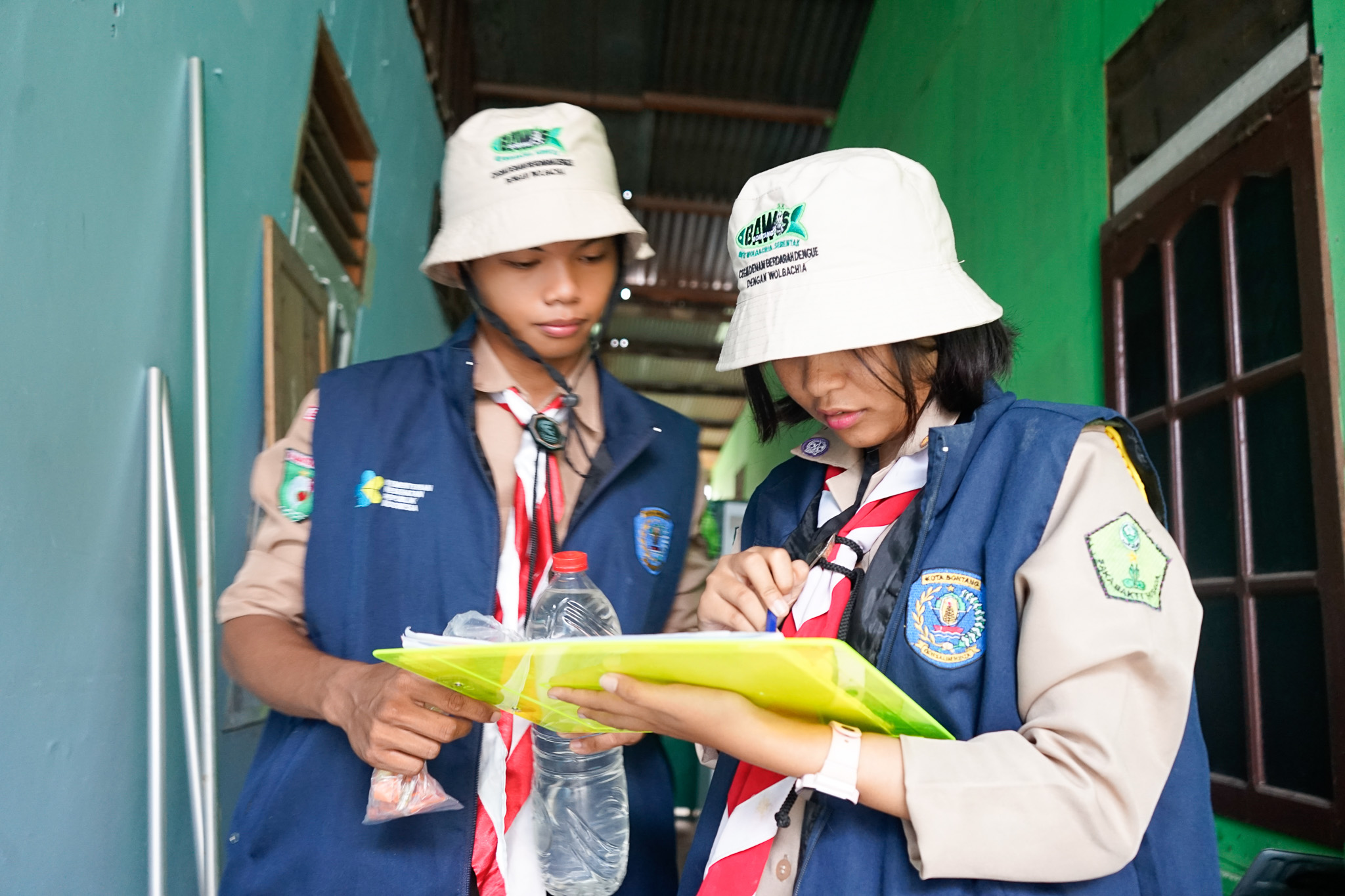
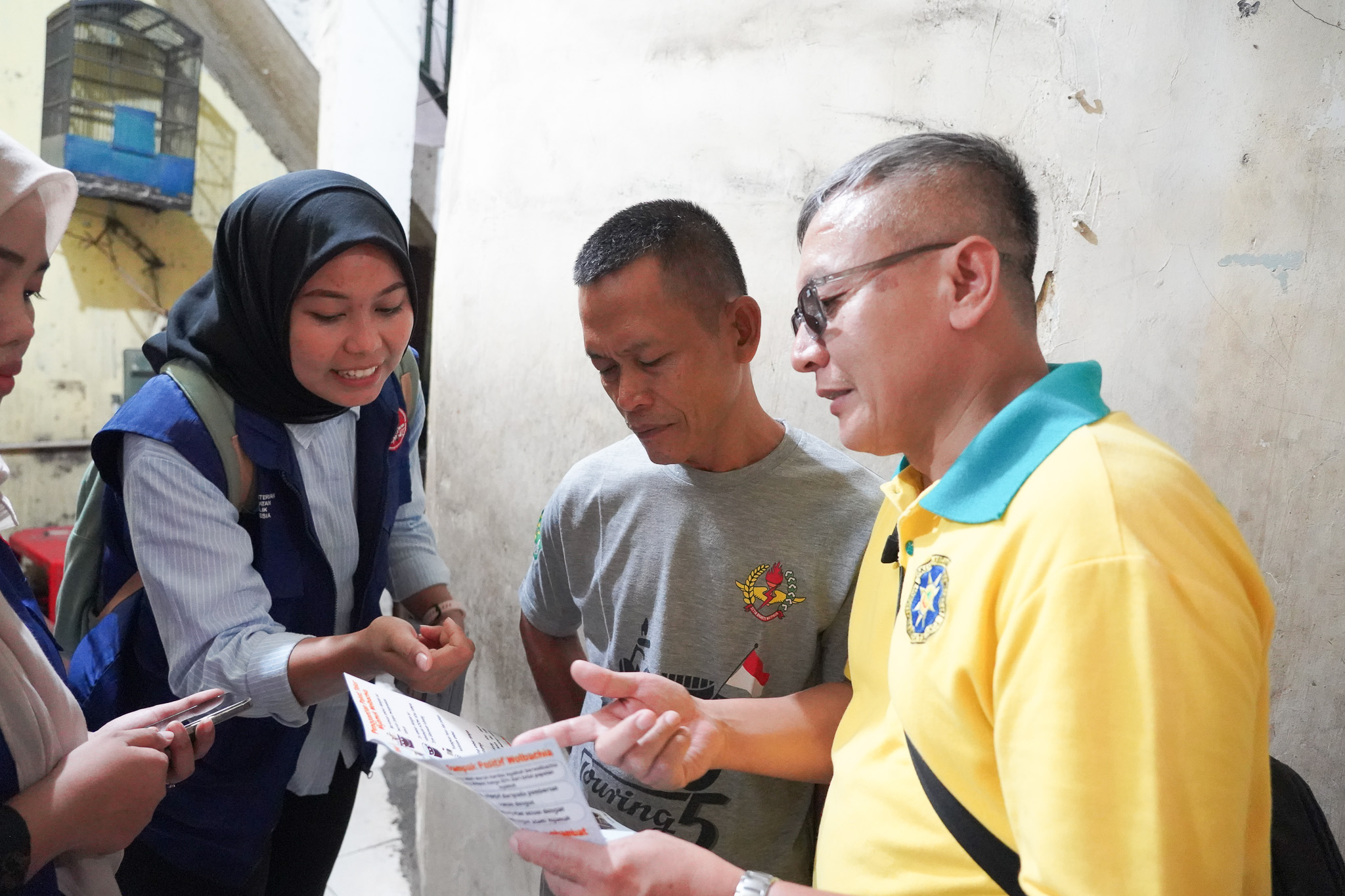
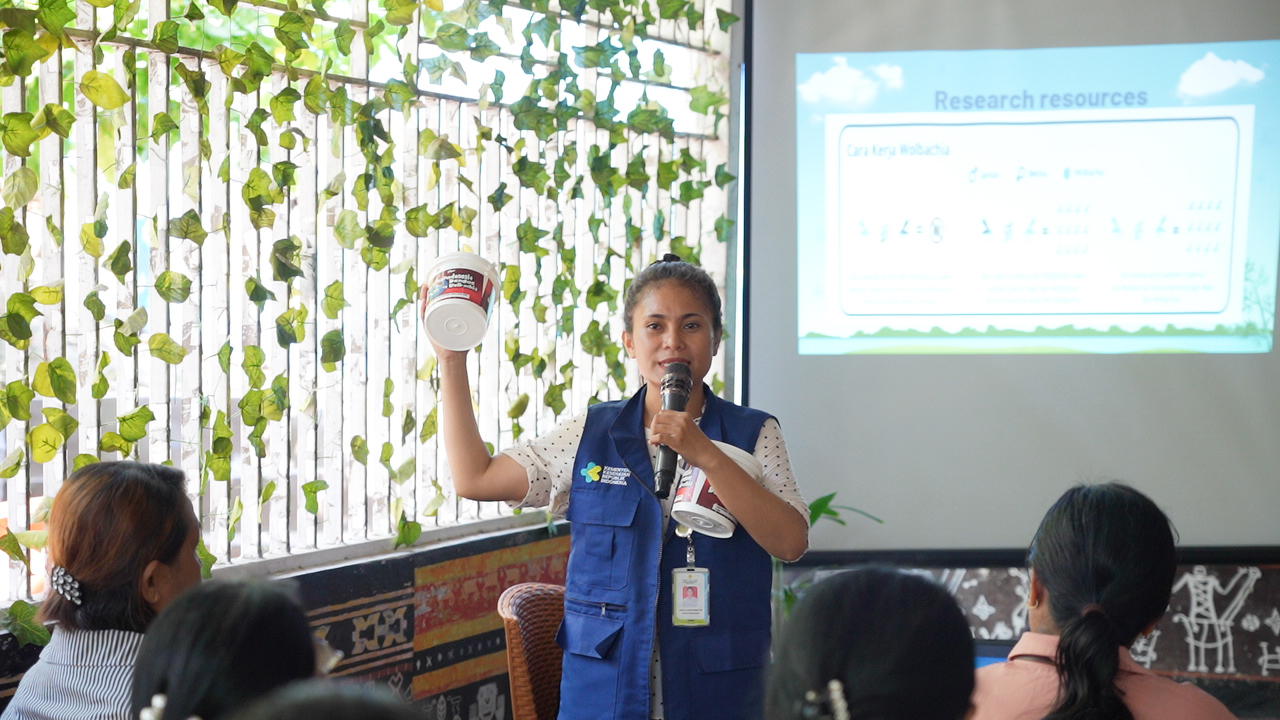
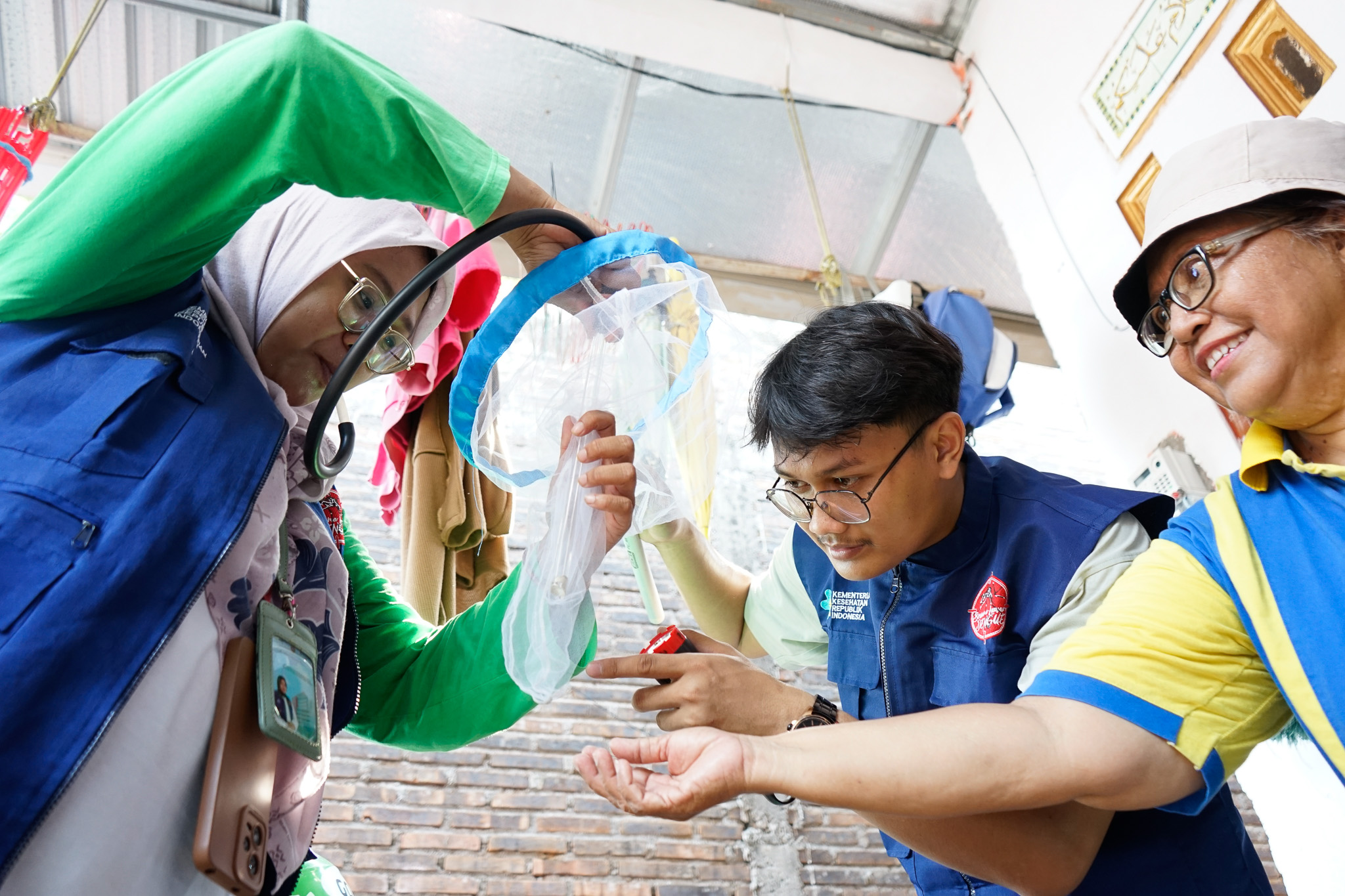
A Collaborative Foundation Built from Policy to the Field
The implementation of Wolbachia technology in five cities rests on national policy that positions the innovation as part of strengthening dengue control. Through Ministerial Decree No. 1341 of 2022, the Indonesian Ministry of Health designated Wolbachia as an approach that can be applied nationally.
In its implementation, CTM UGM serves as technical and scientific partner, supporting the implementation process to ensure alignment with research evidence while remaining adaptive to local needs.
This policy foundation was translated into field practice through cross-sector collaboration at the district level. Local health offices serve as the primary drivers of implementation, working with regional governments, puskesmas, and community health worker networks.
Differences in social and geographical context across cities require strategic adaptation without abandoning the national policy framework. Through this process, collaboration moves beyond concept and is realised in practice, aligning national policy with the realities of field implementation.
Addressing Scepticism through Community-Level Collaboration
In the early stages of implementation, community scepticism represented an inseparable challenge from the introduction of Wolbachia technology. Concerns about safety, health impacts, and the circulation of misinformation generated a degree of uncertainty in some areas.
This situation had been anticipated from the outset, with the understanding that health innovation requires time, dialogue, and consistent communication to achieve broad acceptance.
This scepticism was addressed through collaborative work rooted at the community level. Health offices, puskesmas, and regional governments worked alongside community health workers to build communication approaches acceptable to residents.
Outreach was conducted incrementally and contextually, reaching households and involving local community leaders.
The experience in Kupang City illustrated how repeated dialogue was key to bridging community concerns. Katerina Bale, a Wolbachia community health worker in Kelapa Lima Village, Kupang City, shared:
“There were times I heard people say they were worried this might be dangerous. But we were able to explain that these are beneficial mosquitoes.”
Katerina Bale Wolbachia community health worker in Kelapa Lima Village, Kupang City
Over time, consistent support built space for growing trust. Residents’ willingness to participate as adoptive parents (Orang Tua Asuh/OTA) of Wolbachia mosquitoes, support from territorial structures, and the active role of community health workers marked a genuine shift in attitudes.
This collaborative work gradually shifted scepticism into trust, while strengthening the implementation of Wolbachia as a dengue control effort grounded not only in technology but also in community participation.
Achievements and Innovations in Implementation
Implementation of Wolbachia in five cities has shown progress supported by cross-sector collaborative work. Technical assistance, strengthened roles of local health offices, and active engagement of community health workers and communities are essential elements in ensuring activities proceed in accordance with each area’s local context.
These achievements are reflected not only in technical field implementation but also in growing community acceptance of the program. Residents’ willingness to participate as adoptive parents (OTA) and support from territorial structures have been important markers in the Wolbachia implementation journey. Hindun Budiana, a Wolbachia adoptive parent (OTA) in Bontang City, shared:
“I am proud as a community member to be able to support this government program. God willing, hopefully this can help reduce dengue fever.”
Hindun Budiana Wolbachia adoptive parent (OTA) in Bontang City
In addition to the collaborative approach, Wolbachia innovation has also appeared in the form of more adaptive implementation methods at the community level.
The use of Wolbachia capsules represents a breakthrough that simplifies the distribution and release of Wolbachia-carrying mosquitoes at the community level, enabling the program to be implemented in a simpler and more controlled manner while opening space for direct community participation.
Hariyati from the Semarang City Health Office noted:
“From the production side, each capsule contains approximately 600 eggs. This is something we place great hope in — one capsule but with many eggs.”
Hariyati Semarang City Health Office
The implementation experience across five cities illustrates that public health innovation requires a strong collaborative foundation. Building understanding, trust, and community engagement is an inseparable part of dengue fever control efforts.
This underscores that the success of an innovation is determined not only by the technology itself but by joint action at the levels of both policy and community.
Funding

Collaborators

Duration
2022 – Now
Principal Investigator
Riris Andono Ahmad
The Project Team